

3 Views
Turning a regular aircraft into a flying hospital is never a copy-paste job. Two conversions can look like twins on the surface and still be miles apart once the work starts. One wraps up nice and clean. The next drags on for months and tests everyone’s patience. So what actually causes that gap? Just a handful of factors, really, and once you know them the whole thing starts to make sense.
The Aircraft Sets the Tone
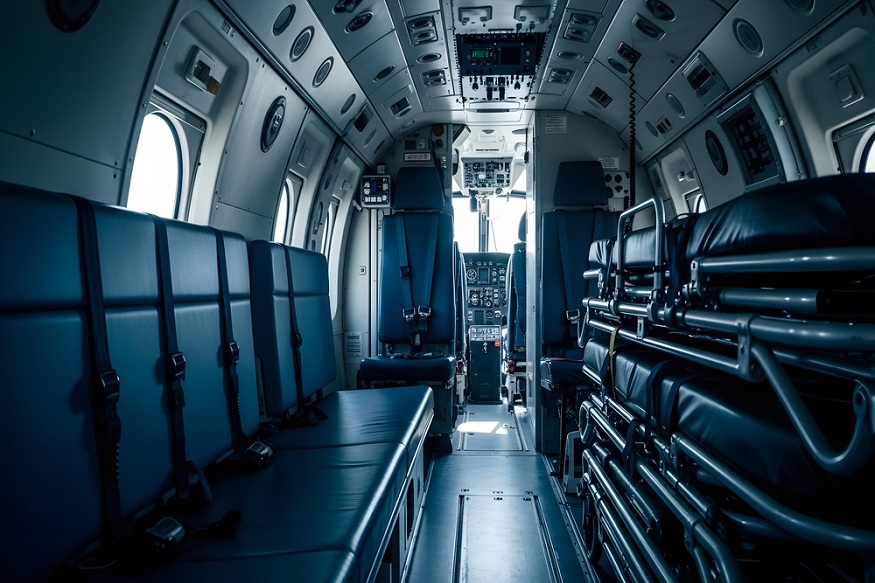
It all starts with the airframe. Some airplanes have roomy interiors, flat floors, and super easy access, everything you could want. Others are tight, oddly formed, or blocked by structural components. A wide-open cabin gives the crew somewhere to work. A tight one forces every part to wedge into a corner. Age plays into it too. An older model might carry wiring and systems that just do not get along with modern medical gear. Newer aircraft tend to show up ready for the extra load. Same job on paper, very different starting line.
How Much Gear, and How Fancy
Then there is the equipment list. A basic setup with a stretcher, a monitor, and an oxygen supply is one thing. A full critical care suite packed with pumps, ventilators, and backup power is a whole different beast. More gear means more power draw, more oxygen to route, and more mounts to lock down. And the fancier the mission, the hairier it gets. Systems have to talk to one another. Power has to split just so. Everything needs to hold tight through turbulence. Complexity piles up in a hurry once the wish list starts growing.
Power and Oxygen Get Tricky
Here is where a good chunk of the real work hides. Medical equipment demands a lot of power, but the aircraft’s supply is limited. Adding devices requires new circuits, load balancing, and sometimes a full electrical overhaul. None of that is fast. Oxygen brings its own headache. Lines have to run clean through the cabin, no kinks, no hazards. Tanks need safe, secure homes. Botch either one and the conversion stalls out. Handle them right and everything after that goes smoother.
Read More: Increasing Mental Clarity during Intensive Training: Supplements That Matter
Certification Quietly Eats Time
People ignore paperwork until it causes problems. All aircraft changes must be approved, tested, and signed off before flight. A simple tweak might sail right through. A complicated one can kick off round after round of engineering reviews and testing that stretch the calendar way out. The rules are there for a reason, since real lives ride on this stuff. But they also mean a tougher conversion hauls a heavier paperwork load. That silent pile of approvals frequently determines if a project lasts a few weeks or most of a year.
Where the Costs Come From
Add it all up and you start to see why prices swing so wild. When operators dig into the cost of installing medevac equipment in aircraft, they are really looking at every one of these pieces stacked on top of each other. Companies such as LifePort are well known for managing design, manufacturing, certification, and integration all in-house, preventing complex conversions from getting out of hand. This comprehensive setup transforms a chaotic process into one that an operator can practically manage.
Read More: What Makes One Medical Aircraft Conversion More Complex Than Another?
Conclusion
Not all conversions are created equal. The airframe, the gear, the power and oxygen demands, the certification hurdles, they all decide how hard the job gets. Some line up easily. Others fight you at every turn. Know what drives the difficulty and you can plan for it instead of getting blindsided. That is the whole game.